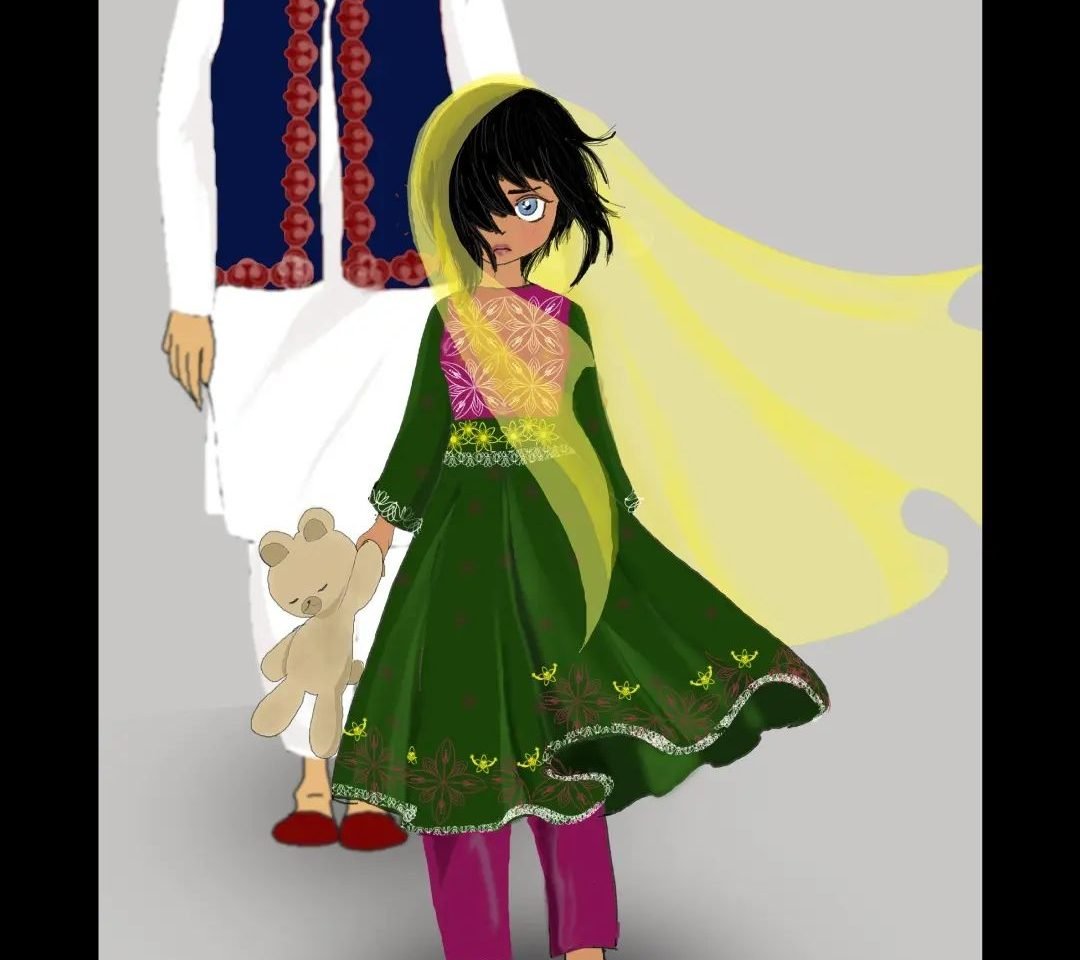
When we talk about Advocacy Efforts: Ending Child Marriage & Protecting Minors, we're not just discussing a societal ill; we're confronting a profound violation of human rights that steals childhoods and dictates futures. Globally, millions of girls are forced into marriage every year, their potential curtailed, their safety jeopardized, and their fundamental freedoms denied. But across the world, dedicated individuals and organizations are fighting back, transforming despair into powerful advocacy, one child at a time.
Their work isn't abstract; it's about real lives, real courage, and tangible change, moving mountains through legislation, community mobilization, and unwavering support for those at risk.
At a Glance: Fighting for Childhoods
- Child marriage is a human rights violation: It's a form of gender-based violence, disproportionately affecting girls.
- The stakes are high: It robs girls of education, exposes them to violence, and carries severe health risks, including death or disability from early pregnancy.
- A global crisis: Approximately 12 million girls are married annually, with 2 million married before age 15.
- Vulnerability amplified: Girls in conflict zones, humanitarian crises, and those facing extreme inequality are most at risk.
- Advocacy makes a difference: From empowering girls and mobilizing communities to changing laws and holding governments accountable, strategic advocacy is critical.
- Efforts span the globe: Organizations like Save the Children work internationally, while groups like the Tahirih Justice Center lead the charge to end child marriage in the United States.
The Stolen Years: Understanding Child Marriage and Its Profound Impact
Child marriage isn't merely a tradition or a cultural practice; it's a critical human rights issue that shatters the lives of children, predominantly girls, worldwide. It strips them of their autonomy, their education, and their very childhoods, trapping them in cycles of poverty and vulnerability. Imagine being a child, barely a teenager, suddenly thrust into the responsibilities of adulthood, often with an older spouse, and without any say in your own destiny. That's the stark reality for millions.
This violation of rights doesn't just cut short a girl's education; it leads to social isolation, exposing her to heightened risks of violence, abuse, and severe health complications from adolescent pregnancies, which can result in death or disability. The statistics are staggering: an estimated 12 million girls worldwide are married every year, with a horrifying 2 million married before their 15th birthday. These aren't just numbers; they represent countless dreams deferred, voices silenced, and potentials unfulfilled.
A Global Crisis with Deep Roots
While the numbers are alarming everywhere, the crisis deepens for girls already grappling with immense inequality and discrimination. Those caught in the crosshairs of conflict and humanitarian crises, for instance, face an even greater risk. When families are displaced, livelihoods are destroyed, and social structures crumble, child marriage can tragically become a perceived coping mechanism—a desperate attempt to secure a daughter's safety, alleviate economic burden, or adhere to harmful social norms under extreme pressure.
It's a complex web of poverty, lack of education, social norms, and instability that fuels this practice. To untangle it requires a multi-pronged approach, one that addresses both the immediate dangers and the underlying causes, and crucially, empowers the children themselves.
Pioneering Advocacy: Save the Children's Multifaceted Approach
As a leading child rights organization, Save the Children stands at the forefront of the fight to end child marriage. Their strategies are comprehensive, recognizing that no single solution will suffice. Instead, they weave together various threads of support, empowerment, and systemic change to protect children.
Empowering Girls' Voices for a Brighter Future
One of the most powerful tools against child marriage is the voice of the girls themselves. Save the Children champions girls' empowerment by ensuring their meaningful participation in decision-making processes that affect their lives. This isn't just about inclusion; it's about equipping them with the confidence, knowledge, and platforms to advocate for their own rights and choices.
When girls are empowered, they become agents of change, not just victims of circumstance. They can resist harmful practices, inspire their peers, and challenge norms within their communities.
Mobilizing Communities as Allies
Change rarely happens in isolation. Save the Children understands that for child marriage to end, entire communities must be on board. This involves mobilizing families, crucially engaging influential figures like older women, religious leaders, and traditional leaders, transforming them from potential enforcers of harmful traditions into powerful allies for gender equality.
By fostering dialogue, raising awareness, and demonstrating the tangible benefits of keeping girls in school and out of early marriage, these leaders can shift long-held beliefs and practices from within. They become advocates for children’s rights within their own spheres, echoing the message of protection and empowerment.
Ensuring Access to Lifesaving Services
In humanitarian crises, the breakdown of social systems often exacerbates the risk of child marriage. Save the Children prioritizes improved, inclusive, and gender-responsive access to essential services in these vulnerable settings. This means providing safe spaces, education, healthcare, and psychosocial support tailored to the unique needs of children, especially girls, who are often targeted.
These services offer not only protection but also opportunities for girls to learn, heal, and envision a future beyond the crisis, making them less susceptible to being married off prematurely. It’s about building resilience and providing alternatives when options seem scarce.
Evidence-Based Action: Research and Budget Analysis
Effective advocacy isn't just about passion; it's about precision. Save the Children conducts rigorous research and budget analysis to inform their programs, influence laws, and shape policies. By understanding where resources are allocated, where gaps exist, and what interventions truly work, they can strategically target their efforts for maximum impact. This data-driven approach ensures that advocacy is grounded in reality and continuously adapted to evolving challenges.
For example, analyzing government budgets can reveal whether sufficient funds are being allocated to child protection services or girls' education, providing concrete data points for advocacy campaigns.
Holding Governments Accountable
Ultimately, governments bear the primary responsibility for protecting their citizens. Save the Children actively advocates for governments and decision-makers to be accountable to girls, pushing for the implementation and enforcement of laws that set the minimum age of marriage at 18. This involves meticulous monitoring of existing laws and policies, identifying loopholes, and demanding action when commitments fall short.
Across 10 specific countries, Save the Children commits to focused actions:
- Advocacy: Analyzing budgets and monitoring law implementation to ensure accountability to girls.
- Research: Scaling up evidence of best practices, especially in conflict and humanitarian-affected areas where rates are rising.
- Child Participation: Building girl-led networks, creating child-friendly resources, and improving safe, meaningful engagement in public decision-making processes.
Shumi's Story: A Beacon of Hope in Bangladesh
Imagine 15-year-old Shumi in Bangladesh, facing an arranged marriage. This is where advocacy efforts become intensely personal. Shumi found an ally in Jasmin, a Save the Children-trained peer leader who heads an advocacy group. Through the Suchana programme, Jasmin empowers girls like Shumi and provides crucial economic support to families, encouraging them to keep their children in school rather than marrying them off. Jasmin's timely intervention allowed Shumi to resist the marriage and, critically, complete her education—a tangible victory for a young girl's future. This direct, community-level advocacy, backed by systemic support, changes lives.
The Fight on Home Soil: Ending Child Marriage in the United States
While often perceived as a problem distant from Western societies, child marriage is a concerning issue right here in the United States. Thousands of children are married annually, often against their will, compromising their health, safety, and well-being. These aren't merely legal loopholes; they are fundamental failures to protect minors from abuse and coercion.
The Hidden Problem: Child Marriage in America
The reality in the U.S. is that in many states, children, sometimes as young as 12, can legally marry with parental consent or judicial approval. This legal allowance often provides a dangerous pathway for forced marriages, allowing abusers to evade justice by formalizing relationships that should be illegal. The consequences for these children are devastating, mirroring many of the global impacts: truncated education, domestic violence, poor health outcomes, and a lifetime of struggle.
Tahirih Justice Center: Champions of Change
At the forefront of the battle to end child marriage in the United States is the Tahirih Justice Center. Tahirih, which partners directly with survivors, understands that lasting change requires reforming antiquated state laws that offer insufficient protection to children. Their approach combines legal expertise with powerful advocacy.
In 2016, Tahirih drafted and spearheaded a landmark bipartisan law in Virginia, making it the very first state to limit marriage exclusively to legal adults aged 18 or older, with only a limited exception for court-emancipated minors. This legislative victory set a precedent and demonstrated that change is possible, even in deeply entrenched legal systems. The stories of those who have endured such marriages underscore the urgency of these reforms, highlighting the long-term trauma and lost opportunities. For instance, the experiences shared by individuals like Courtney Stodden's child bride story powerfully illustrate the deep scars left by child marriage.
Since this groundbreaking achievement, Tahirih has expanded its reach, providing critical legal expertise and advocacy on bills in a growing number of states. Their multifaceted advocacy efforts include:
- Testifying to State Legislatures: Providing expert witness accounts and legal arguments directly to lawmakers.
- Raising Awareness Through Media: Utilizing media platforms to expose the issue and educate the public.
- Providing Insights from Direct Services: Sharing invaluable perspectives gleaned from working directly with survivors.
- Serving as an Expert Resource: Guiding legislative approaches and offering specialized knowledge to policymakers.
Expanding the Movement: National Advocacy and Federal Action
Tahirih's vision extends beyond state-level reforms. In November 2021, in collaboration with the National Forced Marriage Working Group, they released a comprehensive Framework for the Federal Government. This pivotal document outlines how the federal government can and should take a leading role in addressing forced and child marriage across the U.S., while also enhancing vital services for survivors. This framework represents a strategic move towards a unified national approach, ensuring that all children, regardless of where they live, are protected by law.
From Awareness to Action: How You Can Be an Advocate
The fight to end child marriage is a collective responsibility. While large organizations spearhead global and national campaigns, your individual actions, no matter how small they seem, contribute to a larger movement that saves lives and restores futures. Becoming an advocate means understanding the issue, supporting the right initiatives, and lending your voice.
Understanding the Role of Policy and Law
Advocacy fundamentally aims to change the rules of the game. Discriminatory laws that allow child marriage provide legal cover for what is essentially abuse. Your engagement, even by simply understanding the legislative landscape in your state or country, empowers you. Research your local laws regarding the minimum age of marriage. Are there loopholes? Is there a bill currently being debated that would raise the age to 18 without exceptions? Knowing these details is the first step to effective advocacy.
Supporting Organizations on the Front Lines
Organizations like Save the Children and the Tahirih Justice Center are doing the heavy lifting on the ground and in legislative halls. They rely on sustained support to fund their programs, research, and legal battles.
- Financial Contributions: Even small donations provide crucial resources for direct aid, legal counsel, and advocacy campaigns.
- Volunteering: Offer your time and skills. This could mean anything from administrative support to helping organize local awareness events.
- Sharing Their Work: Amplify their messages on social media, share their reports, and spread awareness about their impact.
Lending Your Voice: Engaging with Media and Community
Your voice is a powerful tool.
- Contact Legislators: Write letters, send emails, or call your elected officials. Share your concerns, cite data, and urge them to support legislation that protects minors. Personal stories, even if not your own, can be particularly impactful.
- Local Discussions: Spark conversations within your community, school, or workplace. Education is key to dismantling outdated norms.
- Social Media Advocacy: Use your platforms responsibly to share factual information, highlight survivor stories (with consent and care), and challenge misinformation. Hashtags and campaigns can create momentum.
- Write an Op-Ed: If you feel strongly and have a clear message, consider submitting an opinion piece to your local newspaper or an online publication.
Educating Yourself and Others
Knowledge is empowerment. The more you understand the nuances of child marriage—its causes, impacts, and the various approaches to end it—the more effective an advocate you become. Read reports from child rights organizations, follow current events related to child protection, and challenge your own assumptions. Share what you learn with friends, family, and colleagues, dispelling myths and fostering informed dialogue. This continuous learning creates a ripple effect, multiplying the reach of advocacy.
Common Questions About Child Marriage Advocacy
Navigating the complexities of child marriage often raises important questions. Here are some common inquiries, answered directly:
Is child marriage legal anywhere?
Shockingly, yes. Globally, while many countries have laws setting the minimum age of marriage at 18, loopholes, customary laws, or weak enforcement often allow child marriage to persist. In the United States, as of late 2023, while progress has been made, child marriage is still permitted in many states under certain conditions, such as parental consent or judicial approval, though the movement to end it is gaining momentum.
Why don't children just say no?
The decision to marry for a child is rarely a free choice. Children in these situations often lack agency, power, and viable alternatives. They may face immense family pressure, fear of disownment, economic vulnerability, or threats of violence. In conflict zones, marriage can be perceived, however tragically, as the only way to ensure safety or survival for the child or their family. Advocacy efforts focus on creating a world where children can say no and where their refusal is respected and protected.
What's the difference between child, early, and forced marriage?
While often used interchangeably, there are nuances:
- Child Marriage: Any marriage where one or both parties are under the age of 18. This is the most encompassing term.
- Early Marriage: Often refers to marriages where one or both parties are adolescents (e.g., 12-17), before they are fully mature, educated, or ready for adult roles. It's usually a subset of child marriage.
- Forced Marriage: A marriage in which one or both parties have not given their full, free, and informed consent. This can happen at any age, but children are inherently unable to give such consent due to their age and lack of legal capacity. Many child marriages are also forced marriages, but a forced marriage isn't necessarily a child marriage if both parties are adults.
How do humanitarian crises make it worse?
Humanitarian crises, like conflicts, natural disasters, and epidemics, significantly exacerbate the risk of child marriage. When communities are displaced, schools are destroyed, and economic stability collapses, families can view child marriage as a desperate strategy for survival. It might be seen as a way to reduce the number of mouths to feed, protect girls from sexual violence by offering a "guardian," or secure resources through a dowry. These crises strip away protection systems, making children, especially girls, even more vulnerable.
Building a Future Free from Child Marriage: A Call to Collective Action
Ending child marriage is not a pipe dream; it's an achievable goal, but it demands unwavering dedication and a collaborative spirit. The stories of Shumi in Bangladesh and the legislative victories in the U.S. through the Tahirih Justice Center prove that change is possible. These are not isolated incidents but sparks igniting a global movement.
Every piece of legislation passed, every community educated, every girl empowered to complete her education, and every family supported to choose a different path for their children brings us closer to a world where childhood is universally protected. By understanding the critical work of Advocacy Efforts: Ending Child Marriage & Protecting Minors and actively participating, you become part of this vital change. The future of millions of children depends on our collective courage to advocate for their fundamental right to a childhood—a right that should never be stolen.