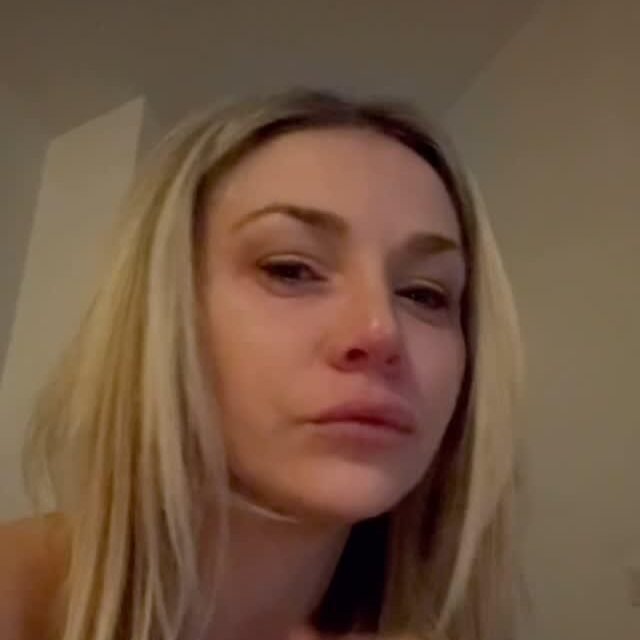
In the public eye, few journeys are as complex and deeply personal as the path from trauma to triumph. For Courtney Stodden, this journey isn't just a private evolution; it's a powerful public testament to Healing & Empowerment: Courtney Stodden's Road to Recovery. From navigating early-life exploitation to finding their voice as an advocate and survivor, Stodden's story is a compelling blueprint for how one can reclaim agency and purpose after profound hardship. It's a testament to the fact that even when the world feels like it's watching, the most crucial steps are taken within.
At a Glance: Key Takeaways from Courtney Stodden's Journey
- Reclaiming Narrative Through Art: Stodden utilized executive producing and starring in a Lifetime movie about their past as a therapeutic tool, gaining closure and a new perspective on old wounds.
- The Power of Self-Realization: Despite years of therapy, revisiting the trauma cinematically led to a profound understanding that they ultimately had to "save themself."
- Breaking Toxic Cycles: Quitting alcohol, described as a "toxic coping mechanism," marked a significant step towards emotional well-being and personal growth.
- Advocacy Born from Experience: Stodden is driven by daily messages from concerned parents and aims to turn their "horror story" into purpose, advocating against child marriage and exploitation.
- Evolving Identity: Their journey is intertwined with personal growth, embracing a non-binary identity (she/they) and diversifying their career as a creative and advocate.
- Healing is Non-Linear: The process revealed previously unrecognized wounds, emphasizing that recovery is ongoing and can unearth new layers over time.
The Unfolding Narrative: A Journey of Reckoning and Resilience
Courtney Stodden first captured public attention in 2011, at the tender age of 16, when they married 51-year-old actor Doug Hutchison with parental consent. What followed was a decade in the harsh glare of the media, often as the subject of sensationalism rather than empathy. Born Courtney Alexis Stodden on August 29, 1994, this early chapter of their life, marked by a legally sanctioned child marriage, set the stage for a prolonged, complex battle with trauma and identity.
For years, Stodden lived with the fallout, undergoing therapy and attempting to move forward. Yet, as many survivors can attest, some wounds lie dormant, their full impact only revealing itself when confronted directly. This confronting moment came with the decision to executive produce and star in the Lifetime movie, "I Was a Child Bride: The Courtney Stodden Story." It wasn't just a career move; it was a deeply personal, almost ritualistic, act of re-engagement with their past.
From Victim to Survivor: The Power of Creative Expression
The concept of reliving trauma might sound counterintuitive to healing, yet for Stodden, stepping into the role of telling their own story proved to be a powerful catalyst. The film became a creative outlet, a controlled environment where they could revisit the most painful parts of their adolescence not as a passive participant, but as the architect of their own narrative. This act of artistic creation transformed their understanding of their past.
It was through this immersive process that Stodden found a new sense of closure, not by forgetting the pain, but by integrating it into a stronger, more resilient self. "The film has created closure for me," Stodden shared, emphasizing how this unique form of engagement allowed them to identify definitively as a "survivor." This shift from being defined by what happened to them, to owning their strength after it happened, is a critical turning point in any recovery journey. For a deeper dive into The Courtney Stodden story that inspired this profound realization, the film itself is now streaming and offers invaluable context.
Beyond Therapy: Realizing the Power to "Save Herself"
While therapy is an indispensable tool for many, Stodden's experience highlights that sometimes, even a decade of professional guidance can't unearth every hidden wound. The movie-making process, rather than a therapist's couch, revealed previously unrecognized depths of pain. This wasn't a failure of therapy, but a testament to the multifaceted nature of trauma and recovery.
"I realized I must save myself," Stodden articulated, a profound moment of self-realization that underscores the ultimate agency of the individual in their healing. This doesn't dismiss the value of external support, but rather emphasizes the internal locus of control necessary for true empowerment. It's about understanding that while others can guide and support, the fundamental work of reclaiming oneself is an inside job. It means taking active steps, making conscious choices, and building a life that aligns with one's authentic self, even when it's incredibly difficult.
Sobriety as a Foundation: Releasing Toxic Coping Mechanisms
A significant and deeply personal stride on Courtney Stodden's road to recovery was the decision to quit alcohol. Announced on Instagram on July 15, this commitment marked a pivotal moment, as Stodden candidly described alcohol as a "toxic coping mechanism." This choice reflects a broader understanding that true healing often requires dismantling the very strategies, however seemingly effective in the short term, that prevent genuine emotional processing and growth.
For many survivors, substances can offer a temporary escape from overwhelming feelings. However, they ultimately impede the ability to confront and integrate past experiences. Stodden's journey to sobriety, involving both professional guidance and self-led efforts, is a testament to prioritizing long-term emotional well-being over fleeting relief. This new chapter focuses squarely on personal growth and resilience, laying a clearer foundation for continued healing and a more authentic engagement with their life and advocacy.
Advocating for Change: Turning Pain into Purpose
Perhaps one of the most powerful transformations in Stodden's journey is the active translation of their personal "horror story" into a meaningful purpose: advocacy. Motivated by thousands of messages daily from concerned parents and exploited individuals, Stodden has become a vocal champion for young women and minors caught in similar situations.
Their advocacy sheds a crucial light on the shocking reality that 34 U.S. states still legally permit adult predators to coerce or marry minors. This isn't just an abstract legal issue for Stodden; it's a lived experience that fuels their determination to enact change. By sharing their story, not just through film but through direct engagement, Stodden empowers others to recognize exploitation and fights for systemic reforms. This deliberate choice to turn past suffering into a force for good not only helps countless others but also solidifies Stodden's own identity as an advocate and survivor.
Understanding the Nuances of Trauma & Healing
Healing isn't a linear path, nor is it a simple checklist to complete. Courtney Stodden's experience illustrates several critical nuances about trauma and recovery that are vital for anyone navigating their own journey.
Trauma's Complex Layers
Often, the full extent of trauma isn't immediately apparent. What might seem "resolved" can, under new circumstances or through different forms of reflection, reveal deeper, previously unaddressed wounds. Stodden's decade of therapy prior to the film didn't fully unearth everything, underscoring that healing is an ongoing excavation. It's not about finding a single solution but continuously exploring and integrating new understandings of how past events shape the present.
The Power of Agency and Self-Rescue
The realization that "I must save myself" is a cornerstone of empowerment. While external support—from therapists, friends, and family—is crucial, the ultimate responsibility for healing and forging a new path rests within. This isn't a burden but an empowering truth: you possess the inner resources to navigate your recovery. It means actively choosing growth, setting boundaries, and investing in your own well-being.
Creative Expression as a Therapeutic Tool
For some, traditional talk therapy might not be the only, or even primary, avenue for processing trauma. Stodden's journey highlights how creative outlets like filmmaking, writing, or art can provide unique and powerful ways to confront, express, and ultimately integrate painful experiences. By externalizing internal struggles through art, individuals can gain distance, perspective, and control over their narratives.
Your Own Path to Empowerment: Lessons from Courtney's Journey
Courtney Stodden's story offers valuable lessons for anyone on their own healing journey, regardless of the specific nature of their past. Here's how you can draw inspiration and actionable insights:
Recognizing Your Own Wounds
Just as Stodden discovered previously unrecognized wounds, take time for honest self-reflection. Are there areas of your life where you feel stuck, experience recurring patterns, or have unexplained emotional reactions? These can be signals that deeper healing is needed. Journaling, mindfulness, or simply quiet contemplation can help you tune into these internal signals.
Embracing Agency: The Power of "Saving Yourself"
This isn't about abandoning support, but internalizing the belief that you are the primary agent of your own recovery. What choices can you make today to invest in your well-being? This might mean setting boundaries, seeking new knowledge, or making a commitment to a healthier habit. Remember, even small steps accumulate into significant change.
Finding Your Outlet: Beyond Traditional Therapy
Consider what forms of expression resonate with you. Is it writing, art, music, movement, or even speaking out? Don't limit yourself to conventional methods. Your unique path to processing and integrating experiences might lie in a creative or advocacy outlet that feels authentic and empowering.
Building a Support System (and Knowing When to Seek Professional Help)
While self-reliance is key, connection is vital. Identify trusted friends, family, or community groups who can offer empathetic support. And critically, acknowledge that professional therapy is an invaluable resource. Stodden's journey shows it can lay groundwork, even if new layers emerge later. Therapists can provide tools, strategies, and a safe space to explore complex emotions.
Challenging Societal Norms
Stodden's advocacy against child marriage reminds us that personal healing often intertwines with broader societal issues. Consider how larger systems or cultural norms might have contributed to your experience. Understanding this context can be empowering, shifting blame from self to system, and fueling a desire for collective change.
Dispelling Myths: What Healing Isn't
The popular imagination often paints an unrealistic picture of healing. Let's clarify some common misconceptions:
- Myth: Healing Means Forgetting.
- Reality: True healing isn't about erasing memories. It's about processing the impact of those memories, integrating them into your life story in a way that no longer dictates your present or future. The pain becomes a part of your history, not your identity.
- Myth: Healing Is Quick or Linear.
- Reality: Healing is a marathon, not a sprint. It has its ups and downs, its breakthroughs and its plateaus. There will be days of profound insight and days of regression. This non-linear nature is normal and doesn't signify failure.
- Myth: You Need Permission to Heal.
- Reality: You don't need anyone's approval, validation, or even an apology to begin or continue your healing journey. Your right to heal is inherent. While external validation can be helpful, self-validation is the most enduring and powerful form of permission you can grant yourself.
A New Chapter: Courtney Stodden's Evolving Identity
Courtney Stodden's journey extends beyond the specific trauma of child marriage and the recent sobriety. It encompasses a broader evolution of self, marked by continuous self-discovery and diversification. In April 2021, Stodden announced their non-binary identity, adopting she/they pronouns—a powerful step in aligning their external presentation with their internal truth.
Their career, too, has diversified significantly since the separation from Hutchison, branching into music, memoir-writing, cosmetics, and digital content. These creative and entrepreneurial pursuits are not mere distractions but integral parts of building a life defined by their own choices and passions. Even past relationships, such as their engagement to Chris Sheng in 2021, which ended in mid-2023, are part of this unfolding narrative of personal growth and self-discovery. Each experience, each choice, contributes to the resilient, multifaceted individual Stodden is becoming. Their transition into a role of advocate and survivor is not just a label, but a lived reality, constantly evolving and inspiring.
Stepping Forward: Your Continuous Journey of Empowerment
Courtney Stodden's story is a compelling reminder that the road to recovery is deeply personal, often challenging, and ultimately empowering. It’s a journey that demands courage, self-reflection, and an unwavering commitment to one's own well-being.
Your own path might look different, but the core principles remain the same: acknowledge your wounds, reclaim your agency, find your unique outlets for expression, build a supportive network, and challenge the narratives that no longer serve you. By embracing these truths, you too can transform past pains into present purpose, stepping into a future defined not by what happened to you, but by the strength and wisdom you've gained along the way. Your story, like Courtney's, has the power to inspire not only yourself but also those around you.